
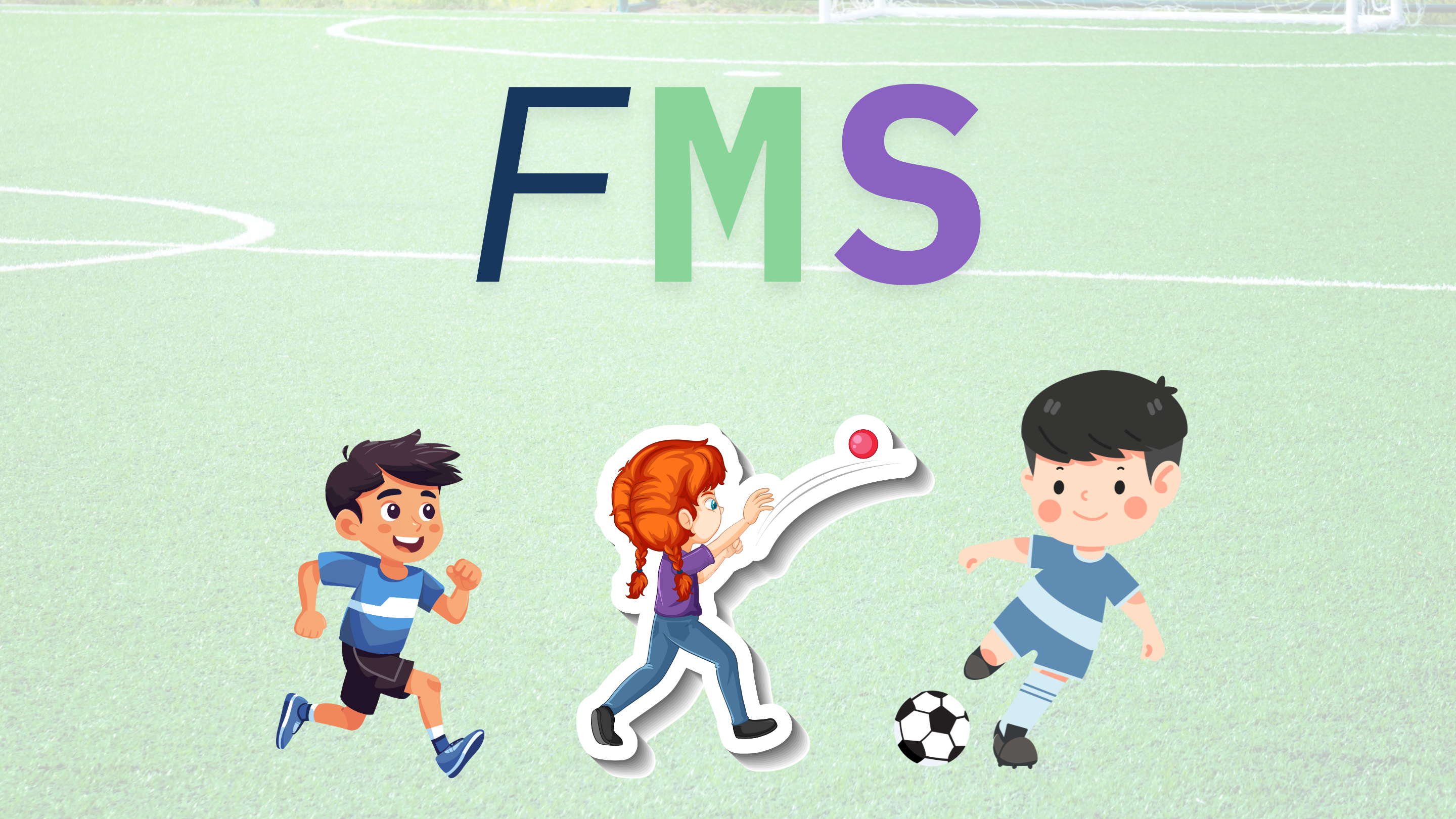
Fundamental Movement Skills (FMS) are movement patterns that involve different body parts such as the legs, arms, trunk and head, and include such skills as running, hopping, catching, throwing, striking and balancing. They are the foundation movements or precursor patterns to the more specialised, complex skills used in play, games, sports, dance, gymnastics, outdoor education and physical recreation activities.
Fundamental movement skills are best categorised into groups because it makes planning, teaching and assessment easier. The three categories adopted in this resource are body management, locomotor and object control. Many skills can be included in these groups.
body management skills
- Body management skills involve balancing the body in stillness and in motion. Examples are: static and dynamic balancing, rolling, stopping, landing, bending, stretching, twisting, turning, swinging, and climbing.
locomotor skills
- Locomotor skills involve transporting the body in any direction from one point to another. Examples are: crawling, walking, running, hopping, leaping, jumping, galloping, skipping, dodging, and swimming.
object control skills
- Object control skills require controlling implements (for example, bats, racquets or hoops) or objects (such as balls) either by hand or foot. Examples are: throwing, catching, kicking, striking, bouncing, and dribbling.